March 26, 2026


How to Get Rid of Thick Toenails
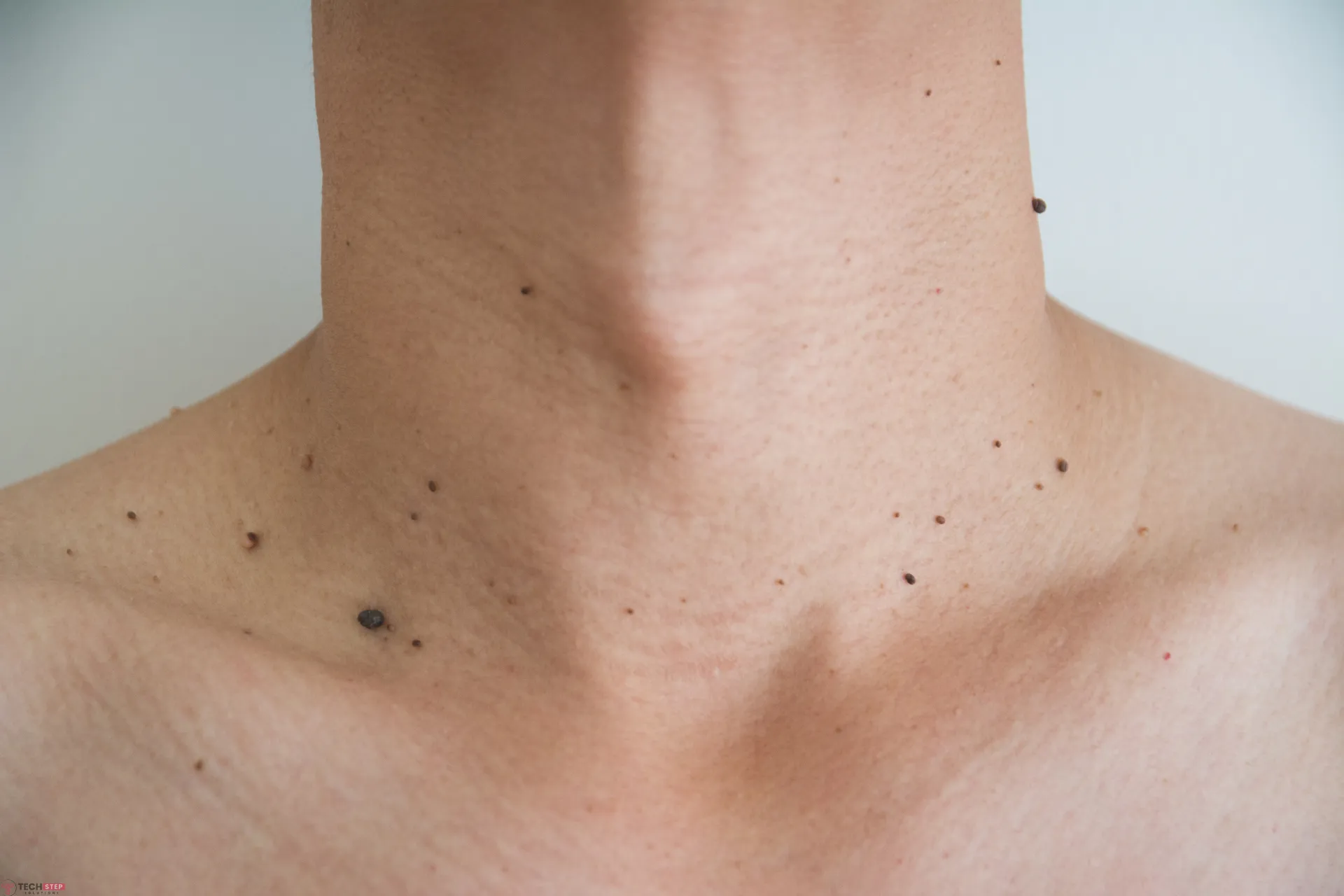
Skin tags are small, soft growths of skin that hang from the surface by a thin stalk called a peduncle. They are most commonly found in areas where skin folds, such as the neck, underarms, groin, eyelids, and under the breasts. Though they can appear anywhere, these growths are usually harmless and painless.
Skin tags are composed of collagen, blood vessels, and skin cells. They are distinct from other growths like moles or warts because they hang off the skin rather than being embedded. Despite occasional myths, skin tags are not contagious, and they cannot spread from person to person.
Expert Insight: Skin tags often develop due to friction, hormonal changes, or metabolic factors such as insulin resistance. Genetics also play a role, meaning a family history increases your likelihood of developing them.
| Feature | Skin Tag | Wart | Mole |
|---|---|---|---|
Texture | Smooth, soft | Rough, irregular | Can be raised or flat |
Attachment | Thin stalk (peduncle) | Slightly raised or flat | Directly attached |
Contagious | No | Yes, viral | No |
Color | Flesh-toned, may darken | Grayish or brown | Brown, black, or red |
Growth Areas | Skin folds | Hands, feet, other areas | Anywhere |
No. Skin tags are non-infectious and cannot transmit to others.
True skin tags are never contagious. Growths that resemble skin tags but are viral, like warts, are infectious. Professional evaluation ensures correct diagnosis.
Removed tags rarely regrow in the same spot. New tags can appear due to friction, genetics, or hormonal factors.
Most are harmless. Seek evaluation if they change color, swell, leak fluid, or cause discomfort.
Yana Skin Care offers expert laser, cauterization, cryotherapy, and excision options for safe, effective removal across Houston.
Skin tags are benign growths that are not contagious and typically develop due to friction, hormonal changes, metabolic conditions, or genetics. Professional Skin Tag Removal Houston ensures safety, minimizes the risk of recurrence, and helps prevent scarring, while regular monitoring and avoiding DIY treatments reduce the chance of infection.
At Best Med Spa in Houston, our experts provide thorough evaluation and tailored treatment for lasting results. Schedule a consultation to safely remove skin tags, protect your skin, and receive personalized guidance for prevention, ensuring professional care and peace of mind.

Our clients share their journeys of transformation and beauty with us. Read their testimonials to understand why Yana Skin Care is Houston’s trusted med spa.
EXCELLENTTrustindex verifies that the original source of the review is Google. Yeremy is very sweet and kind for my laser treatment. My toenail got fungus and it’s the issue I been dealing with for over a year and now and this is first time it’s growing and looking way better! I’ve been to other laser places and this one actually works.Posted on GoogleTrustindex verifies that the original source of the review is Google. Very happy with the service They explain the post care of the treatment Muy buen servicio y professional.Posted on GoogleTrustindex verifies that the original source of the review is Google. I had a Wonderful Expirience, the staff is welcoming and helped us see the baby clearly. Would recommend to any expecting parents!Posted on GoogleTrustindex verifies that the original source of the review is Google. Thanks to Yana I have reached more than one of my personal goals with skincare and weight loss. Honestly finding Yana has changed my life down nearly 10 pounds in two months they offer many different weight loss treatments, services and products at reasonable pricing. I am so appreciative of everyone at Yana from front desk Regina and Nasima is awesome and takes very personal care of each client, which is important to me working in health care. I am excited to try other treatments.Posted on GoogleTrustindex verifies that the original source of the review is Google. Good service in laser hair removalPosted on GoogleTrustindex verifies that the original source of the review is Google. Need a spa day soon after this baby glow, Sweet lady's staff an clean, can't wait to see my lil bundle of joy ultrasoundPosted on GoogleTrustindex verifies that the original source of the review is Google. Excellent service in the best, friendly and efficient hands I have lost 25 pounds with the semaglutide injection service. I recommend it with confidence
Whether you have questions or want to learn more about our services, we’re here for you. Complete the form below, and our expert team will be happy to assist.



Closed
09:30 AM - 04:30 PM
12:00 PM - 07:00 PM
09:30 AM - 04:30 PM
Closed
09:30 AM - 04:30 PM
12:00 PM - 07:00 PM
09:30 AM - 04:30 PM
© Copyright 2026 Yana Skin Care All rights reserved. Design & SEO by TechStep Solutions