August 1, 2025


Dermal Fillers
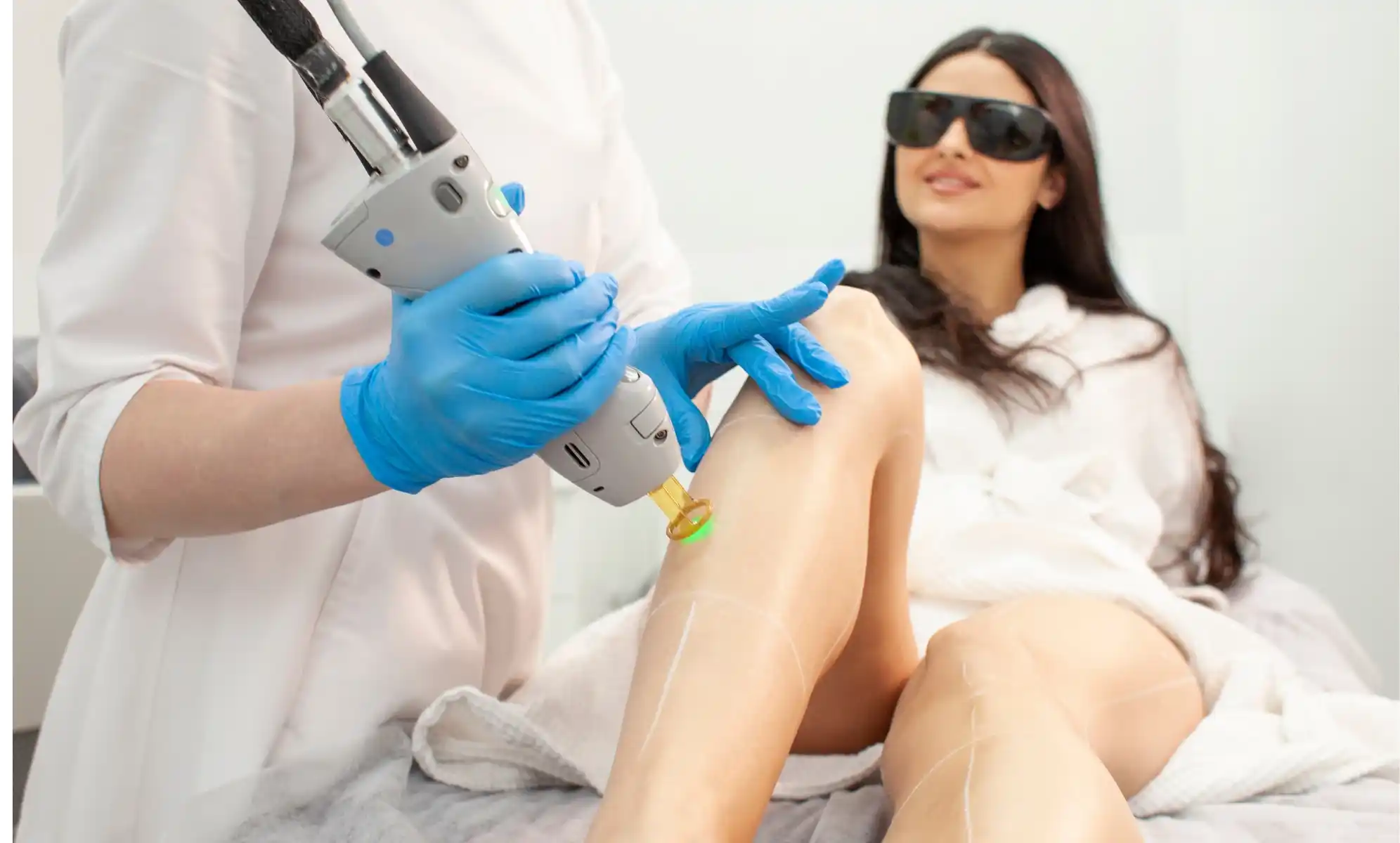
No, laser hair removal is not known to cause cancer. Professional laser hair removal uses focused light energy to target hair follicles. It does not use UV radiation, and it is not the same type of radiation people usually connect with cancer risk.
This guide is for people who are worried about laser hair removal and cancer, laser hair removal safety, skin cancer risk, at-home laser devices, moles, sensitive skin, and real treatment side effects. It also helps Houston clients understand what to ask before booking laser hair removal.
If you want personalized guidance, Yana Skin Care offers laser hair removal consultations in Houston to help you review your skin type, treatment area, and safety needs before starting.
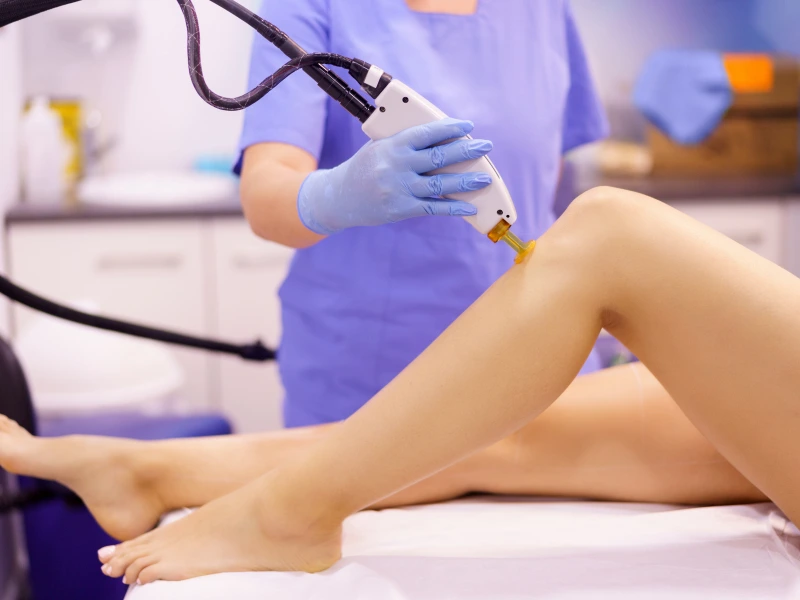
Laser hair removal does not cause cancer based on how the treatment works. It uses non-ionizing light energy to heat the hair follicle and reduce unwanted hair growth. It does not use UV rays, X-rays, or radioactive energy.
The real risks of laser hair removal are usually skin-related. These may include redness, irritation, burns, pigmentation changes, blistering, or sensitivity if treatment is done with poor settings, recent tanning, or without proper skin evaluation.
For the safest experience, choose a trained laser technician, ask for a skin type assessment, discuss moles or skin changes, avoid tanning, and follow aftercare instructions.

People searching “does laser hair removal cause cancer” are usually not looking for a sales page first. They want a clear safety answer before they feel comfortable booking treatment.
This article answers four search intents:
That is why the article starts with the direct answer first, then explains the science, real risks, safety steps, and local treatment guidance.
Laser hair removal is not known to cause cancer. It does not use UV radiation, and it does not work like X-rays. The laser uses controlled light energy to heat hair follicles and reduce hair growth.
The treatment is not risk-free, but the real risks are not usually cancer-related. The main concerns are burns, pigmentation changes, irritation, or scarring when treatment is done incorrectly.
A safe laser hair removal consultation should include your skin tone, hair color, treatment area, recent sun exposure, medications, skin sensitivity, and any moles or skin changes.
The confusion usually comes from the word “radiation.” Many people hear radiation and think of cancer. But not all radiation works the same way.
Laser hair removal uses focused light energy. It does not use UV radiation from the sun. It does not use tanning-bed rays. It does not use X-ray radiation
The laser targets melanin, which is the pigment in the hair. The hair absorbs the light, the light turns into heat, and that heat affects the follicle. Over a series of sessions, hair may grow back finer, lighter, slower, or less often.
This is why laser hair removal is better understood as a light-based hair reduction treatment, not a cancer-causing radiation treatment.

Laser hair removal is not known to cause skin cancer. The treatment does not use UV radiation, which is the type of radiation most often connected with sun damage and skin cancer concerns.
However, this does not mean every skin spot should be treated without checking. If you have a mole, changing mark, irritated area, or unusual skin lesion, your provider should review it before treatment.
Laser hair removal should not be done carelessly over skin that looks suspicious, broken, infected, or recently sunburned.
No, laser hair removal does not use UV radiation.
This is one of the most important safety facts for people worried about laser hair removal cancer risk. UV radiation is commonly associated with sunburn and sun damage. Laser hair removal uses selected light energy to target hair follicles.
Even though laser hair removal does not use UV rays, sun protection still matters. Recent tanning or sunburn can make the skin more sensitive to laser heat and may increase the risk of burns or pigmentation changes.

Laser hair removal uses non-ionizing light energy. This means it is different from X-rays and radioactive exposure.
Simple comparison:
So, when someone asks “is laser hair removal radiation harmful?” the accurate answer is: professional laser hair removal uses light energy, but not the same type of radiation people usually associate with cancer risk.
Laser hair removal is not considered cancerous, but it can be dangerous when performed incorrectly.
The real risks include:
Most mild reactions fade after treatment. More serious side effects are more likely when the wrong settings are used, the skin is recently tanned, the treatment area is irritated, or aftercare is ignored.
Many professional laser hair removal devices are FDA-cleared for hair reduction. This means the device has been reviewed for its intended use.
However, FDA-cleared does not mean every treatment is automatically safe for every person. Device quality matters, but provider training and skin evaluation matter just as much
A safe treatment still needs:
The safest results come from matching the device, settings, skin type, and treatment plan correctly.
The main risks of laser hair removal are related to heat and skin response. The laser heats the follicle, but the surrounding skin can react if the settings are too strong or the skin is not prepared.
Burns and pigmentation changes can happen when the laser energy is too strong for the skin. This is more likely with recent tanning, self-tanner, sunburn, active irritation, or incorrect settings.
Laser hair removal for sensitive skin requires extra care. Your provider may recommend a patch test, lower settings, or a slower treatment plan to reduce irritation.
Protective eyewear is required during treatment. Laser light can harm the eyes if safety steps are skipped.
Moles and unusual skin spots should be checked before treatment. A laser should not be used directly over a suspicious or changing mole without proper evaluation.
Laser hair removal may be safe around normal moles when handled carefully, but suspicious or changing moles should be evaluated first.
Tell your provider if a mole has:
A mole evaluation before laser helps protect your skin and prevents cosmetic treatment from being done over a concerning area.
Can At-Home Laser Hair Removal Cause Cancer?
At-home laser or light-based hair removal devices are not considered cancer-causing simply because they use light energy. However, they can still cause burns, irritation, eye exposure, or pigmentation changes if used incorrectly.
At-home devices may not be suitable for everyone, especially if you have:
If you are unsure, a professional consultation is a safer first step than guessing with an at-home device.
Some people should avoid laser hair removal temporarily. Others may need a careful consultation before starting.
You may need to delay treatment if you have:
You may need extra care if you have:
This does not always mean laser hair removal is not possible. It means your skin should be assessed before treatment.
Safe laser hair removal depends on proper planning, trained hands, and correct settings.
Your provider should check your skin tone, hair color, hair thickness, and sensitivity level. This helps determine safer laser settings.
A patch test before laser may be recommended for sensitive skin, darker skin tones, or first-time clients. It helps show how your skin reacts before treating a larger area.
A medical-grade laser device can offer better control when used properly. The device matters, but the provider’s experience matters just as much.
A trained laser technician should understand skin response, settings, treatment spacing, aftercare, and when not to treat.
Aftercare helps reduce irritation and pigmentation risks. You may be advised to avoid heat, tanning, sun exposure, exfoliation, and harsh skincare after treatment.
Laser hair removal benefits are not only cosmetic. Many people choose it because shaving, waxing, or plucking causes repeated irritation.
Benefits may include:
Results vary from person to person. Hair color, skin type, hormones, treatment area, and consistency can affect the outcome.
Most people need multiple laser hair removal sessions because hair grows in different cycles. The laser works best when hair is in the active growth phase.
The number of sessions may depend on:
Maintenance sessions may also be recommended for long-term hair reduction.
Many laser hair removal side effects can be reduced with better preparation.
Avoid these mistakes:
Pro tip: A safe provider should ask about your skin history, recent sun exposure, medications, skincare products, and past reactions before starting treatment.
Houston weather can make laser hair removal planning more important. Heat, sun exposure, outdoor activities, and tanning can affect skin sensitivity before and after treatment.
If you live in Houston, plan your sessions when you can avoid heavy sun exposure around the treatment area. This is especially helpful for areas like legs, arms, face, bikini line, and underarms.
For safer results:
This local planning can help reduce irritation, burns, and pigmentation risks.
If you are searching for the best laser hair removal treatment in Houston, do not choose based on price alone. Focus on safety, experience, and customization.
If you are searching for the best laser hair removal treatment in Houston, do not choose based on price alone. Focus on safety, experience, and customization.
Before booking, ask:
The best provider should give clear answers and realistic expectations. Laser hair removal can reduce unwanted hair, but results take time and consistency.
Yana Skin Care provides laser hair removal in Houston with a personalized, safety-focused approach. The goal is to help clients reduce unwanted hair while protecting skin comfort and appearance.
Yana Skin Care focuses on:
Clients can also ask about Elite iQ Laser and Laser Genesis during their consultation to understand which option may fit their treatment needs.
For more details, visit the Laser hair removal service page or schedule a consultation with Yana Skin Care in Houston.
Before your first laser hair removal appointment, follow this simple checklist:
This checklist helps lower the risk of irritation, burns, and pigmentation changes.
No, laser hair removal is not known to cause cancer. It uses focused non-ionizing light energy to target pigment in the hair follicle. It does not use UV radiation or X-ray radiation. The main risks are usually skin irritation, burns, pigmentation changes, or sensitivity if treatment is not done properly.
Laser hair removal is not known to increase cancer risk. The treatment uses non-ionizing light energy, not cancer-causing radiation. If you have changing moles, unusual skin spots, or a family history of skin cancer, your skin should be evaluated before treatment.
Laser hair removal uses light energy, but it is not the same as harmful ionizing radiation. The laser targets the hair follicle with controlled heat. It can still cause burns or pigmentation issues if used incorrectly, so proper settings and trained treatment are important.
Laser hair removal is safe for many people when performed by a trained provider. Safety depends on skin tone, hair color, treatment area, recent sun exposure, medications, and aftercare. A consultation helps determine whether laser hair removal is suitable for your skin.
Laser hair removal is not known to cause skin cancer. It does not use UV radiation, which is commonly linked with sun damage. However, suspicious or changing moles should be checked before treatment, and the laser should not be used carelessly over concerning spots.
Laser hair removal uses non-ionizing light energy. This energy targets pigment in the hair follicle and turns into heat. It is different from X-rays or radioactive exposure. The goal is safe laser hair reduction, not deep radiation exposure.
No, laser hair removal does not use UV radiation. It does not tan the skin or expose the skin to sunlight-like rays. You should still avoid sun exposure before and after treatment because tanning can increase the risk of burns and pigmentation changes.
Laser hair removal may be safe around normal moles when handled properly, but changing or suspicious moles should be evaluated before treatment. Tell your provider about any mole that has changed in size, shape, color, texture, or sensitivity.
You may need to avoid or delay laser hair removal if you have sunburn, recent tanning, open wounds, active infection, severe irritation, certain light-sensitive medications, or unusual skin lesions. A consultation can help determine whether it is safe to begin.
The real risks include redness, swelling, burns, blisters, dark spots, light spots, scarring, and eye injury if protection is not used. These risks are lower when treatment is performed by a trained laser technician with proper skin assessment and aftercare.
You can book laser hair removal near you in Houston at Yana Skin Care. A consultation can help review your skin type, treatment area, safety concerns, and expected results before starting your sessions.

Does laser hair removal cause cancer? For most people, the answer is no. The better question is whether your skin is ready for safe treatment.
Yana Skin Care in Houston can help you understand your options with a personalized laser hair removal consultation. Schedule your appointment to discuss your skin type, hair removal goals, and the safest plan for long-term hair reduction.
Our clients share their journeys of transformation and beauty with us. Read their testimonials to understand why Yana Skin Care is Houston’s trusted med spa.
EXCELLENTTrustindex verifies that the original source of the review is Google. Yeremy is very sweet and kind for my laser treatment. My toenail got fungus and it’s the issue I been dealing with for over a year and now and this is first time it’s growing and looking way better! I’ve been to other laser places and this one actually works.Posted on GoogleTrustindex verifies that the original source of the review is Google. Very happy with the service They explain the post care of the treatment Muy buen servicio y professional.Posted on GoogleTrustindex verifies that the original source of the review is Google. I had a Wonderful Expirience, the staff is welcoming and helped us see the baby clearly. Would recommend to any expecting parents!Posted on GoogleTrustindex verifies that the original source of the review is Google. Thanks to Yana I have reached more than one of my personal goals with skincare and weight loss. Honestly finding Yana has changed my life down nearly 10 pounds in two months they offer many different weight loss treatments, services and products at reasonable pricing. I am so appreciative of everyone at Yana from front desk Regina and Nasima is awesome and takes very personal care of each client, which is important to me working in health care. I am excited to try other treatments.Posted on GoogleTrustindex verifies that the original source of the review is Google. Good service in laser hair removalPosted on GoogleTrustindex verifies that the original source of the review is Google. Need a spa day soon after this baby glow, Sweet lady's staff an clean, can't wait to see my lil bundle of joy ultrasoundPosted on GoogleTrustindex verifies that the original source of the review is Google. Excellent service in the best, friendly and efficient hands I have lost 25 pounds with the semaglutide injection service. I recommend it with confidence
Whether you have questions or want to learn more about our services, we’re here for you. Complete the form below, and our expert team will be happy to assist.



Closed
09:30 AM - 04:30 PM
12:00 PM - 07:00 PM
09:30 AM - 04:30 PM
Closed
09:30 AM - 04:30 PM
12:00 PM - 07:00 PM
09:30 AM - 04:30 PM
© Copyright 2026 Yana Skin Care All rights reserved. Design & SEO by TechStep Solutions