
July 30, 2026
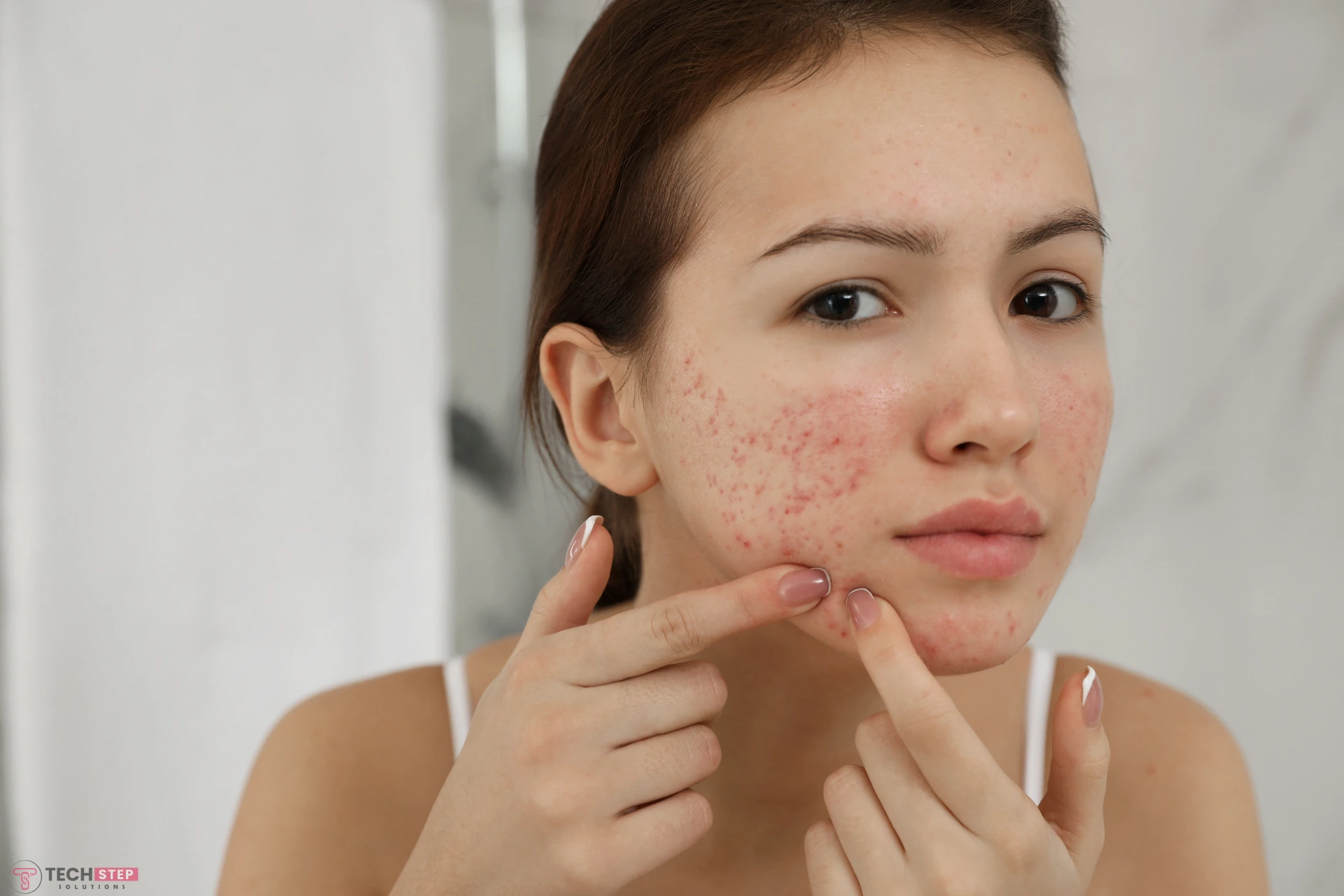


How to Get Rid of Redness From Acne
To understand how to get rid of redness from acne, focus on calming the inflammation instead of squeezing or overly drying the pimple. Cleanse gently, apply a wrapped cold compress for five to ten minutes, use a suitable acne treatment, moisturize, and wear broad-spectrum SPF 30 or higher.
These steps can reduce pimple redness and swelling, but no safe method can remove acne redness instantly. Ice and green-tinted concealer offer temporary improvement, while ingredients such as benzoyl peroxide, azelaic acid, salicylic acid, and adapalene need consistent use.
Follow these steps when a pimple looks red and inflamed:
A hydrocolloid patch can protect a surface-level pimple and absorb fluid. It is less useful for a deep pimple under the skin.
Acne develops when oil and dead skin cells block a hair follicle. Bacteria may multiply inside the blocked pore, triggering inflammation.
This can cause redness, swelling, tenderness, and pus-filled pimples. Deep nodules and cysts carry a higher risk of pain and scarring.
Acne does not mean your face is dirty. Frequent washing and hard scrubbing can make redness worse.
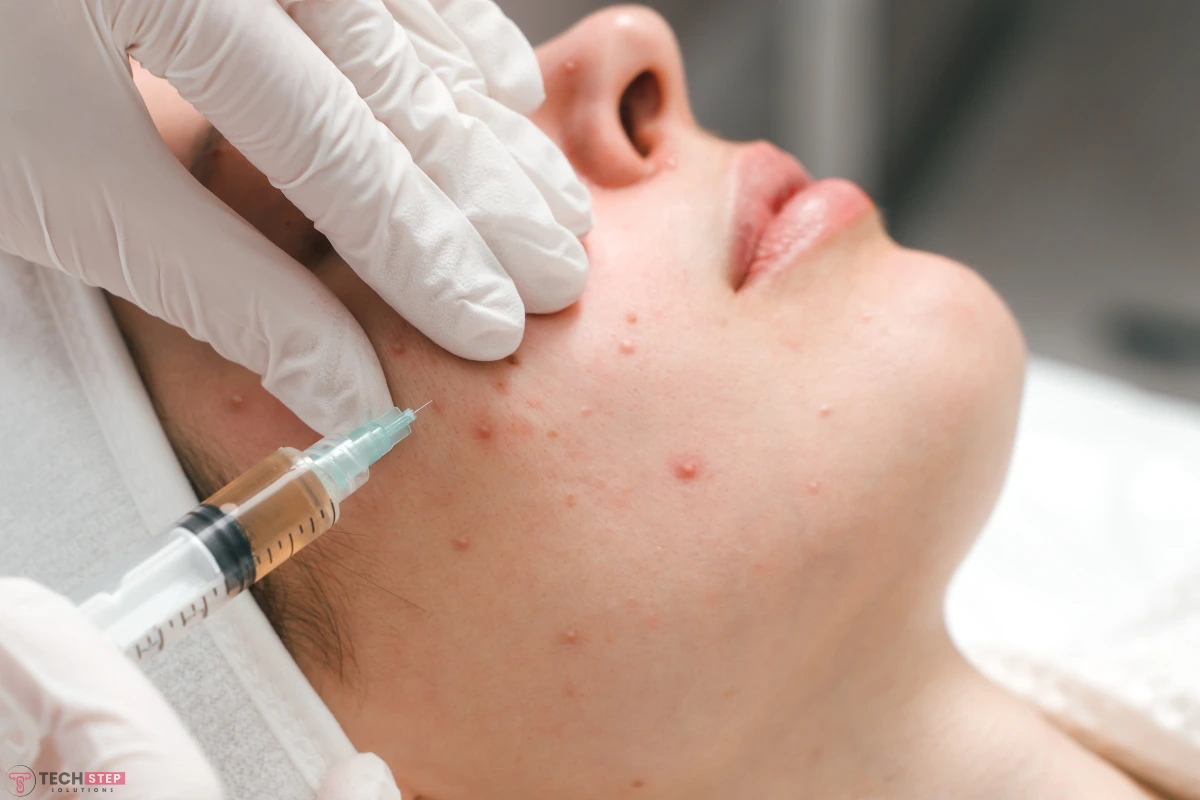
An active pimple is usually raised, swollen, warm, or tender. Treatment should focus on reducing acne inflammation and preventing new breakouts.
A flat red, pink, or purple mark left after a pimple heals may be post-inflammatory erythema. Brown or dark marks are usually post-inflammatory hyperpigmentation
These marks are not active pimples. Use sunscreen, gentle skincare, and a routine that prevents future breakouts.
Introduce one active ingredient at a time and use it consistently as part of your skincare routine.
Benzoyl peroxide reduces acne-causing bacteria and inflammation. It works well for red pimples and pustules.
A 2.5% formula is a sensible starting point. Apply a thin layer to the affected area.
Azelaic acid can help inflammatory acne and post-acne marks. It can be included in a simple skincare routine for acne-prone skin.
Salicylic acid clears blocked pores and is especially useful for blackheads and whiteheads.
Adapalene is a topical retinoid that prevents blocked pores and future breakouts. Apply it across the acne-prone area rather than only on individual pimples.
Give a treatment several weeks to work before changing products.
Moisturizer supports the skin barrier, while sunscreen helps stop healing marks from becoming more noticeable.
A hard, painful bump under the skin may be a nodule or cyst. Do not squeeze or pierce it.
Instead:
These questions make your consultation more useful and help you avoid unrealistic expectations.
Popping damages nearby tissue and increases the chance of red marks and scars.
Toothpaste is formulated for teeth and does not treat acne properly.
Rough brushes, cloths, and exfoliating grains can worsen inflamed skin.
Using several acne treatments together does not necessarily produce faster results. A simple and consistent routine is usually easier to follow.
More product does not produce faster results. Follow the recommended application instructions.
A small pimple may calm within several days, while a deep inflamed pimple may last longer. Most acne treatments need several weeks of consistent use before breakouts noticeably improve.
Flat red or dark marks may take weeks or months to fade, depending on inflammation and sun exposure.
See a dermatologist if you have deep, painful acne, scarring, widespread redness, repeated severe breakouts, or no improvement after eight to twelve weeks.
Cleanse gently, use a wrapped cold compress, apply one suitable treatment, and avoid squeezing. A hydrocolloid patch can protect a surface pimple, but most spots need several days to heal.
A cold compress may temporarily reduce swelling. Benzoyl peroxide, azelaic acid, moisturizer, and daily sunscreen can help manage inflammation and protect healing skin.
Do not squeeze them. Apply a warm cloth for 10 to 15 minutes up to three times daily. Deep or recurring pimples should be assessed by a dermatologist.
You cannot safely eliminate it instantly. A cold compress and green concealer may improve its appearance temporarily, while treating the inflammation usually takes several days.
There is no fixed age. Some adults continue getting breakouts because of hormones, genetics, stress, medications, or unsuitable skincare products.
Acne is not contagious. However, picking, friction, pore-clogging products, and dirty makeup tools can contribute to new breakouts.
Dirt is not the main cause. Acne forms when oil and dead skin cells block follicles. Excess washing can make redness more noticeable.
Harsh exfoliation, friction, over-washing, and unsuitable skincare products may contribute to acne-like bumps and redness.
Learning how to get rid of redness from acne starts with gentle, consistent care. Calm swelling, choose one suitable active ingredient, moisturize, wear sunscreen, and avoid squeezing.
Explore Yana Skin Care for a simple routine that supports acne-prone skin. For deep, painful, scarring, or persistent acne, consult a qualified dermatologist.

Our clients share their journeys of transformation and beauty with us. Read their testimonials to understand why Yana Skin Care is Houston’s trusted med spa.
EXCELLENTTrustindex verifies that the original source of the review is Google. Yeremy is very sweet and kind for my laser treatment. My toenail got fungus and it’s the issue I been dealing with for over a year and now and this is first time it’s growing and looking way better! I’ve been to other laser places and this one actually works.Posted on GoogleTrustindex verifies that the original source of the review is Google. Very happy with the service They explain the post care of the treatment Muy buen servicio y professional.Posted on GoogleTrustindex verifies that the original source of the review is Google. I had a Wonderful Expirience, the staff is welcoming and helped us see the baby clearly. Would recommend to any expecting parents!Posted on GoogleTrustindex verifies that the original source of the review is Google. Thanks to Yana I have reached more than one of my personal goals with skincare and weight loss. Honestly finding Yana has changed my life down nearly 10 pounds in two months they offer many different weight loss treatments, services and products at reasonable pricing. I am so appreciative of everyone at Yana from front desk Regina and Nasima is awesome and takes very personal care of each client, which is important to me working in health care. I am excited to try other treatments.Posted on GoogleTrustindex verifies that the original source of the review is Google. Good service in laser hair removalPosted on GoogleTrustindex verifies that the original source of the review is Google. Need a spa day soon after this baby glow, Sweet lady's staff an clean, can't wait to see my lil bundle of joy ultrasoundPosted on GoogleTrustindex verifies that the original source of the review is Google. Excellent service in the best, friendly and efficient hands I have lost 25 pounds with the semaglutide injection service. I recommend it with confidence
Whether you have questions or want to learn more about our services, we’re here for you. Complete the form below, and our expert team will be happy to assist.


Closed
09:30 AM - 04:30 PM
12:00 PM - 07:00 PM
09:30 AM - 04:30 PM
Closed
09:30 AM - 04:30 PM
12:00 PM - 07:00 PM
09:30 AM - 04:30 PM
© Copyright 2026 Yana Skin Care All rights reserved. Design & SEO by TechStep Solutions