

November 1, 2025
- Retatrutide vs Semaglutide – Find the Most Effective Option for Weight Loss
- Understanding Semaglutide vs Retatrutide Effects on Your Body
- Comparing Weight Loss Results: Retatrutide vs Semaglutide
- Additional Health Benefits of Retatrutide and Semaglutide
- Common Mistakes to Avoid While Using Retatrutide or Semaglutide
- Comparing Costs, Availability, and Dosing of Retatrutide and Semaglutide
- Ideal Candidates for Each Treatment
- Difference between Semaglutide and Retatrutide for Weight Loss
- Changing Your Medication: Retatrutide and Semaglutide Guide
- Lifestyle Tips to Boost Weight Loss With Retatrutide or Semaglutide
- FAQs
- Finding the Best Option for Your Weight Loss Journey


Retatrutide vs Semaglutide – Find the Right Fit for Your Weight Loss Goals
Retatrutide vs Semaglutide: Weight Management, Results and Safety
If you are researching Retatrutide vs Semaglutide, you may want to understand how these treatments differ, how they work, what research has found about weight loss, and what to know about their safety.
Although both treatments are connected to the GLP-1 pathway, they are not the same. Semaglutide works primarily through the GLP-1 receptor, while retatrutide is designed to act on three hormone receptors: GLP-1, GIP, and glucagon.
Another important distinction is their current regulatory status. Semaglutide has established medical uses and approved products, while retatrutide remains an investigational treatment. This means research around retatrutide is still developing, and it should not be viewed in the same way as an established prescription medication.
For anyone comparing the two, looking at the full picture is more useful than focusing on a single weight-loss number.
Retatrutide and Semaglutide: Key Differences Explained
The main difference is how the two treatments interact with hormone receptors.
Semaglutide is a GLP-1 receptor agonist. GLP-1 helps regulate appetite, eating behavior, digestion, and blood glucose levels, supporting its role in weight management.
Retatrutide has a broader mechanism. It is designed to activate:
- GLP-1 receptors
- GIP receptors
- Glucagon
Because it works across these three pathways, retatrutide is commonly described as a triple hormone receptor agonist. This difference has made retatrutide an important area of obesity research. Researchers are studying whether its broader activity can influence body weight and metabolic health in additional ways..
How Do Retatrutide and Semaglutide Work?
The retatrutide mechanism of action involves three receptor pathways that play different roles in metabolic regulation:
- GLP-1: Can influence appetite and food intake.
- GIP: Plays a role in metabolic regulation.
- Glucagon: Can affect energy balance and other metabolic processes.
Semaglutide primarily works through GLP-1 receptor activation. The way it influences appetite and food intake is an important part of its weight-management effects.
Retatrutide's broader mechanism does not automatically make it suitable for everyone. Treatment decisions also depend on clinical evidence, individual health factors, potential side effects, treatment goals, and availability.
What Clinical Studies Show About Weight Loss
Weight reduction is one of the main reasons people compare these treatments. Semaglutide has been extensively studied for weight management, while retatrutide has also produced substantial weight-loss results in clinical trials and continues to be investigated for its potential role in obesity treatment.
Separate studies may have different conditions, so their findings should not be compared as direct trial results. Studies can differ in:
- Participant characteristics
- Starting body weight
- Treatment duration
- Dose levels
- Medical conditions
- Lifestyle recommendations
- Study design
- Outcome measurements
Key Factors That Influence Weight Loss Results
Researchers use several measures to evaluate treatment results. Percentage of body weight loss is especially useful because it accounts for a person’s starting weight.
Other measures may include:
- Total change in body weight
- Waist circumference
- The percentage of people who achieve specific weight-loss targets
- Changes in appetite or food intake
- Blood glucose measurements
- Other metabolic outcomes
Looking at multiple measures provides a clearer picture of treatment results. An average clinical-trial result does not predict individual outcomes, which can vary based on starting weight, health, lifestyle, dose, adherence, and treatment response.

Appetite Suppression and Metabolic Effects of These Treatments
Appetite suppression is an important part of many modern weight-management treatments.
Semaglutide's GLP-1 activity can influence appetite and food intake. Retatrutide also has GLP-1 activity, but its additional GIP and glucagon pathways are being studied for their potential effects on broader metabolic processes.
Researchers are interested in more than just the number on the scale. Studies may also examine:
- Energy expenditure
- Blood sugar contro
- Insulin sensitivity
- Waist circumference
- Overall metabolic health
This broader focus is one reason retatrutide has attracted attention in obesity research. However, research findings should be interpreted carefully. A potential mechanism or promising early result does not automatically establish long-term benefits for every patient.
Treatment Dosing and Dose Escalation Explained
Approved semaglutide products follow established dosing schedules for their specific medical uses. Treatment may begin at a lower dose and increase gradually according to the prescribed schedule.
Retatrutide has been studied at different doses in clinical trials, but it remains investigational. Research doses should not be interpreted as a standard prescription or personal dosing recommendation.
Semaglutide and retatrutide should not be treated as having equivalent doses. The two medications have different dosing approaches, so their doses should not be treated as interchangeable. If you are considering changing treatment, speak with a qualified healthcare professional about the appropriate medication and dosing approach.
Once-Weekly Treatment: Dosing, Schedules and Key Differences
Semaglutide is available in established once-weekly injectable forms, with dosing schedules designed for its specific approved medical uses.
Retatrutide has also been studied as a once-weekly treatment in clinical trials. However, it remains investigational, so its research schedule should not be treated as an approved prescription routine.
Although both can involve weekly administration, their mechanisms, dosing, clinical evidence, and regulatory status are different. A once-weekly schedule alone does not make the two treatments interchangeable.
What to Know About Safety, FDA Approval and Treatment Availability

When comparing these treatments, it is important to consider both their safety profiles and current regulatory status.
Semaglutide has approved products for specific medical uses, along with established prescribing information covering its dosing, warnings, precautions, and potential risks.
Retatrutide remains an investigational drug and is not currently FDA-approved for routine weight-loss treatment. Research studies can offer insight into potential benefits and risks, but their findings do not give an investigational treatment the same status as an approved medication.
It is also important to be cautious about products marketed online as retatrutide. Medications or products sourced outside legitimate medical or research channels may not have the same quality, safety, or identity safeguards.
What to Know Before Switching From Semaglutide to Retatrutide
People searching for switching from semaglutide to retatrutide should understand that this is not simply a matter of replacing one medication with another.
Semaglutide has established prescribing information, while retatrutide remains investigational.
A treatment change can involve several considerations, including:
- Current medication and dose
- Treatment response
- Existing health conditions
- Other medications
- Side effects
- Weight-management goals
- Availability of appropriate treatment
Because of these variables, medication changes should be discussed with the healthcare professional managing the person’s treatment.
It is not advisable to stop, switch, combine, or adjust prescription medication based solely on information found online.
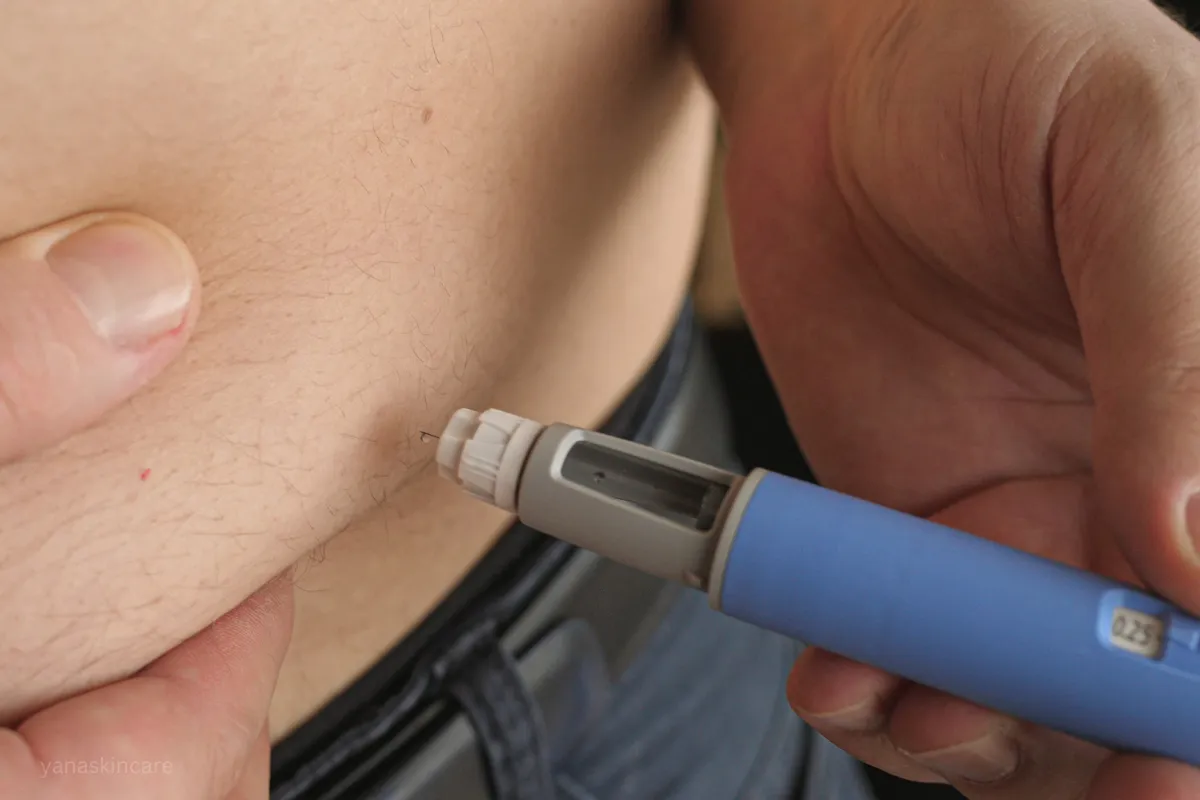
Can Retatrutide and Semaglutide Be Taken Together?
Being used for weight management does not mean that the two treatments are suitable for use together.
Retatrutide is still under investigation, while semaglutide has its own established prescribing information and limitations.
There is no reason to assume that using both would automatically produce better results. Combining medications without appropriate medical direction can also introduce unnecessary risks.
If someone is already using semaglutide and is interested in retatrutide, the appropriate next step is to discuss the situation with a qualified healthcare professional.
Using Retatrutide or Semaglutide for Body Composition Goals
The search term retatrutide vs semaglutide bodybuilding represents a different intent from medical weight management.
Neither treatment should be considered a bodybuilding medication.
Weight reduction and body composition are not identical goals. Someone may lose weight while also experiencing changes in lean mass, fat mass, or overall body composition.
If body composition is the primary concern, treatment decisions should be based on an individual's health and goals rather than using a prescription or investigational medication simply to achieve a particular physique.
Important Factors to Consider When Choosing a Treatment
A useful comparison involves more than looking at which study reported the largest percentage of weight loss.
Important factors include:
- How the treatment works
- Quality of available clinical evidence
- Weight-loss outcomes
- Appetite effects
- Metabolic effects
- Dosing requirements
- Side effects
- Safety information
- Current approval status
- Individual health circumstances
Individual circumstances can influence which treatment approach is considered appropriate.
A clinical-trial average cannot account for every person's medical history, current medications, treatment response, or potential risks.
That is why professional assessment is an important part of making a treatment decision.
Why Choose Yana Skin Care for Weight-Loss Treatment in Houston?
Selecting a suitable provider is an important consideration for weight-management care. A professional consultation can help you understand available options, potential benefits, safety considerations, and what may be appropriate for your individual needs.
At Yana Skin Care, the consultation focuses on your weight-management goals, relevant medical history, current medications, and previous treatment experience. This allows you to ask questions and better understand your options before moving forward.
For newer treatments such as retatrutide, the focus is also on providing clear information about its current investigational status and helping clients distinguish legitimate clinical research from products marketed independently.
Important Considerations for Weight-Loss Treatment
- The comparison involves more than simply looking at which treatment produces a larger weight-loss number.
- The two treatments differ in their current medical status, with semaglutide established in treatment and retatrutide still under investigation.
- Their mechanisms, clinical histories, and regulatory status are different.
- Reviewing the available evidence in context can help you understand potential benefits, limitations, safety considerations, and uncertainties.
- A qualified healthcare professional can help you understand how these factors relate to your individual weight-management needs.
FAQs
What Is the Difference Between Retatrutide and Semaglutide?
Semaglutide primarily works through the GLP-1 receptor. Retatrutide is designed to activate GLP-1, GIP, and glucagon receptors, giving it a three-receptor mechanism. Their medical development and current regulatory standing are not the same.
How Do Retatrutide and Semaglutide Work Differently?
Semaglutide primarily targets GLP-1. Retatrutide targets GLP-1 along with GIP and glucagon receptors. The different receptor pathways are being studied in relation to appetite, body weight, and metabolic function.
How Do Their Weight-Loss Results Compare?
Weight reduction has been observed with both treatments in clinical research. However, results from separate studies cannot automatically be treated as a direct head-to-head comparison because the participants, doses, duration, and study designs may differ.
Can Retatrutide and Semaglutide Be Taken Togethe
They should not be combined or changed without appropriate medical guidance. Retatrutide remains investigational, while semaglutide has established prescribing information.
Is Retatrutide Approved for Weight Loss?
Retatrutide is currently an investigational treatment and is not FDA-approved for routine weight-loss treatment. Ongoing clinical research is evaluating how safe and effective it is.
Ready to Explore Your Weight-Loss Options?
If you’re considering medical weight-loss treatment in Houston, a professional consultation can help you understand which options may be appropriate for your goals and individual needs.
Contact Yana Skin Care today to schedule a consultation and discuss your weight-management goals, treatment options, and next steps with our team.